Moving out of a rental property is stressful enough without worrying about your deposit. But the end-of-tenancy inspection is the one thing standing between you and getting that money back in full. And in Dublin's rental market, where deposits are capped at one month's rent, every cent counts.
To prepare properly, you need to return the property to the condition it was in when you moved in, minus normal wear and tear. That means a thorough clean of every room, fixing minor damage you've caused, and documenting everything with photos. Landlords can legally deduct from your deposit for damage beyond normal use, unpaid bills, or leaving the place in poor condition, so preparation is worth every minute.
Whether you're tackling the clean yourself or hiring professionals, this guide walks you through exactly what to expect and how to get your rental looking its best before the landlord walks through the door.
What Does a Landlord Check During an End-of-Tenancy Inspection?
Landlords (or their agents) will compare the current state of the property against the condition report from when you moved in. If you signed an inventory at the start of your tenancy, that document becomes the benchmark for everything.
They'll look at walls for marks, scuffs, and holes. They'll check flooring for stains and damage. Kitchens and bathrooms get the closest attention because grease buildup, limescale, and mould are common issues that go beyond normal wear and tear.
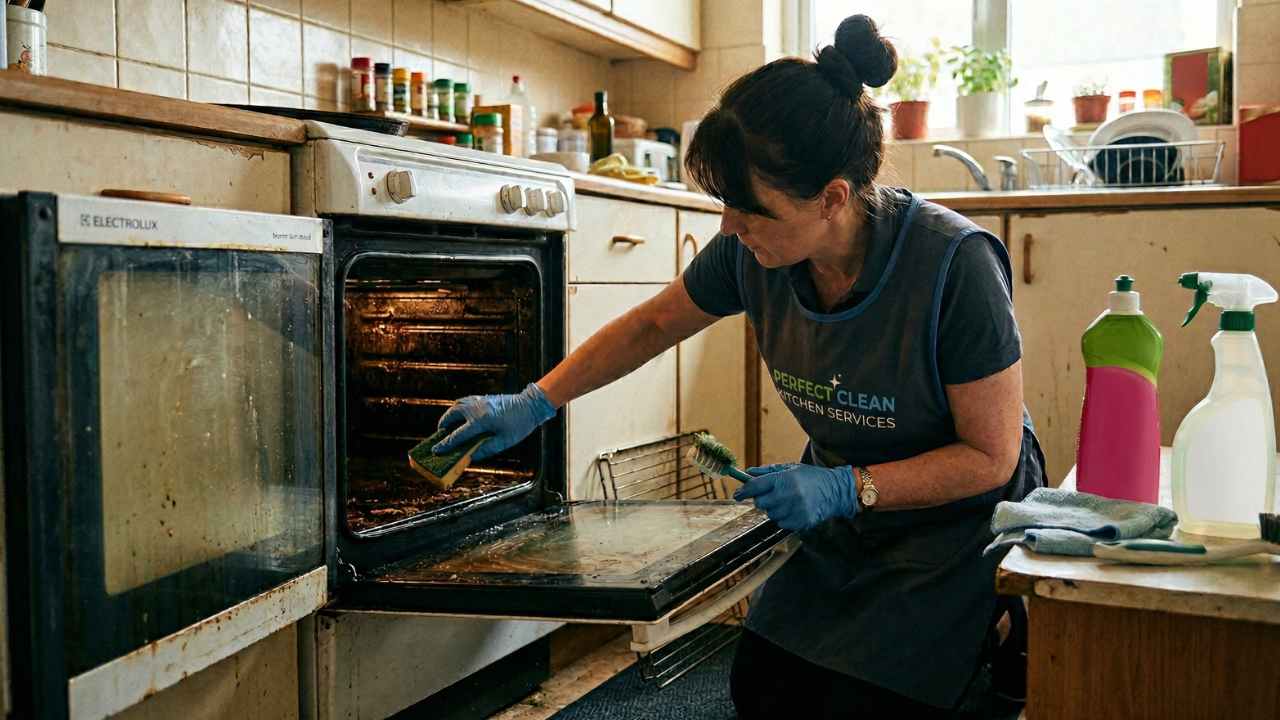
Appliances are another big one. If the oven was clean when you moved in and it's caked in grease now, that's a deduction waiting to happen. Same goes for the fridge, hob, and extractor fan. The Residential Tenancies Board (RTB) is clear that landlords can withhold deposit funds for damage, unpaid bills, or leaving the property in an unhygienic condition.
Windows, light fixtures, skirting boards, and even the inside of wardrobes and cupboards are all fair game. If you had pets, expect the landlord to check for hair, odours, and scratches on doors or floors.
How Should You Clean Each Room Before Moving Out?
Start with the kitchen. It's the room most likely to cause deposit disputes. Degrease the oven inside and out, clean behind the fridge and cooker, scrub the hob, and wipe down all cupboard fronts and handles. Don't forget the extractor fan filter, which collects grease over months of cooking.
Bathrooms and En-Suites
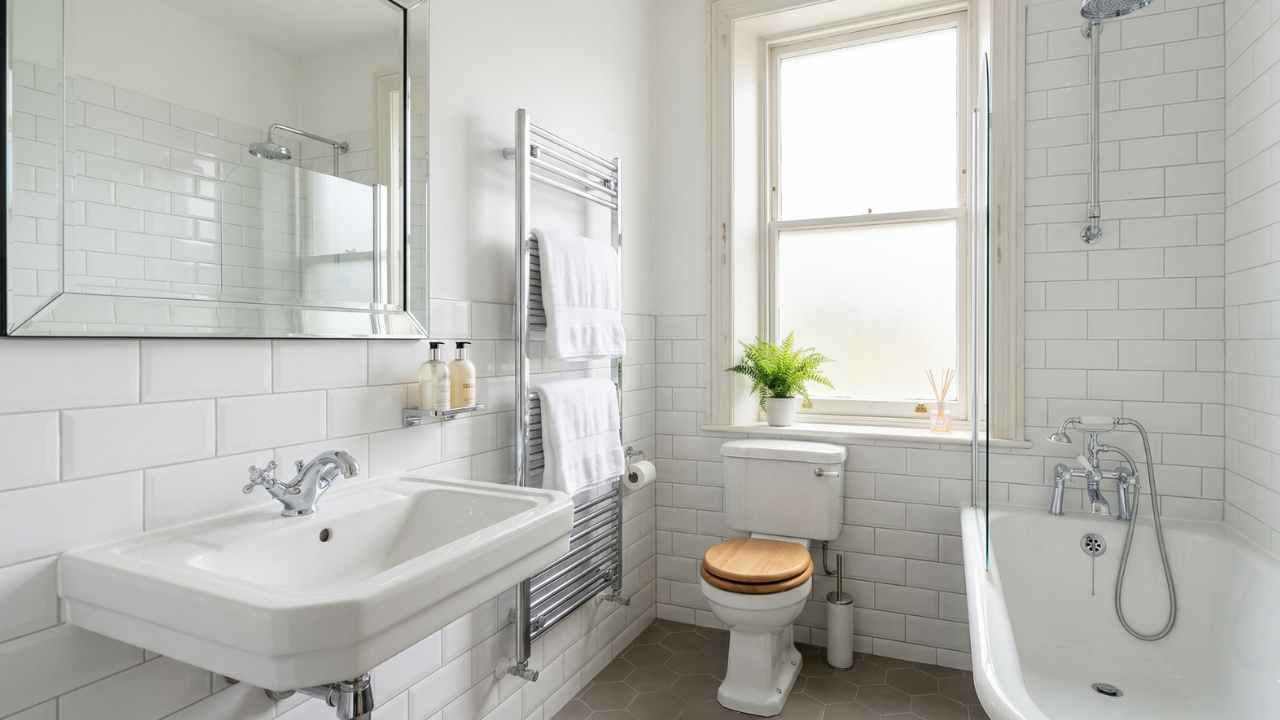
Bathrooms need serious attention. Limescale on taps and shower screens is one of the most common complaints from landlords. Use a decent limescale remover and give the grout a proper scrub. If there's mould around the silicone sealant, treat it with a mould remover or consider whether it needs resealing.
Toilets should be disinfected thoroughly, including under the rim. Mirrors, tiles, and floors all need to be spotless. If your deep cleaning checklist doesn't include bathroom extractor fans, add that in too, because dust builds up in those vents quickly.
Living Areas and Bedrooms
Hoover all carpets thoroughly. If there are visible stains, you'll want to treat them or hire a professional carpet cleaning service to deal with them before the inspection. Dust all surfaces, clean light switches, and wipe down window sills and skirting boards.
Fill any small nail holes in walls with filler and sand them smooth. Most landlords won't penalise a few picture hook holes, but larger fixings or damage will need attention.
Should You Do a Pre-Inspection Walkthrough?
Yes, and you should request one. A pre-inspection walkthrough a week or two before your move-out date gives you time to fix anything the landlord flags. It's not a legal requirement, but it's common practice and it protects both parties.
Walk through every room with your landlord and compare the property against the original inventory. Take note of anything they're concerned about so you can address it before the final inspection.
Bring your own checklist and take photos of every room, including inside cupboards, appliances, and any areas you've cleaned or repaired. These photos become your evidence if there's a dispute later on. The RTB recommends that both parties document the property's condition with photos at the start and end of every tenancy.

What Counts as Normal Wear and Tear?
Normal wear and tear covers the gradual deterioration that happens through everyday living. Faded paint, minor scuffs on walls, slightly worn carpet in high-traffic areas, and small marks on wooden floors all fall into this category.
What doesn't count is damage caused by negligence or misuse. Burns on countertops, broken fixtures, large stains on carpets, mould caused by poor ventilation habits, and holes in walls are all considered tenant damage. Your landlord can deduct cleaning or repair costs from your deposit for these.
- Faded curtains or blinds from sunlight: normal wear and tear.
- Cracked tiles, broken door handles, or smashed windows: tenant damage.
- Light carpet wear in hallways: normal wear and tear.
- Pet scratches on doors or deep carpet stains: tenant damage.
- Small nail holes for picture frames: generally acceptable.
- Large anchor bolts or unfilled holes: tenant damage.
If you're unsure whether something counts, it's better to fix it yourself than leave it for the landlord to deduct at a higher cost. A bit of filler and a lick of paint goes a long way when you're cleaning a house fast and professionally before handing back the keys.
When Should You Book a Professional End-of-Tenancy Clean?
If you're short on time or the property needs more than a surface clean, hiring a professional end-of-tenancy cleaning service is worth considering. A professional team will cover every room, appliance, and surface to a standard that satisfies most landlords and letting agents.
End-of-tenancy cleaning in Dublin typically costs between €150 and €400 depending on the size of the property. A studio might run €80 to €100, while a larger three-bed house will sit at the higher end. That's often less than what a landlord would deduct from your deposit for cleaning charges if they arrange it themselves.
Book at least a week in advance, especially during busy moving periods like the end of the month. Make sure the service includes oven cleaning, bathroom descaling, carpet cleaning, and a full wipe-down of all surfaces. Perfect Clean's end-of-tenancy service covers all of this, with eco-friendly products that are safe for families and pets, and a 24-hour satisfaction window if anything needs a second look.
Getting your deposit back comes down to preparation and documentation. Clean thoroughly, photograph everything, and don't leave it until the last day. Whether you do it yourself or bring in a professional team, a proper clean protects your money and makes the handover smoother for everyone involved. If you'd rather leave it to the experts, get a free quote from Perfect Clean and have the job sorted in one visit.