Maintaining hotel rooms as clean, tidy, and ready on time is one of the most crucial aspects of operating a successful hotel. A smooth, well-organised cleaning routine allows staff to work efficiently, reduce delays, and ensure every room is fresh and ready for the next guest.
Learning how to streamline hotel room cleaning for maximum efficiency can significantly enhance daily operations, particularly during peak check-in times. With simple steps, good organisation, and a clear cleaning routine, hotels can keep high standards without putting extra pressure on housekeeping teams.
In this blog, we will look at why room cleaning is important, how the cleaning process works, and the common mistakes to avoid.
Let’s begin!
Why Hotel Room Cleaning Needs to Be Efficient?
Being very clear, room cleaning efficiency plays a key role in creating a positive guest experience. When rooms are well cleaned and prepared on time, it reduces waiting periods, improves satisfaction, and helps guests feel comfortable from the moment they arrive. A well-organised cleaning routine helps the hotel run smoothly, even when it is busy, or many guests are checking out at the same time.
Good organisation also supports housekeeping teams by reducing unnecessary steps, saving energy, and keeping the work routine manageable. When cleaners follow a clear, efficient system, rooms stay consistent in quality, problems are spotted sooner, and the hotel maintains strong standards across all areas.
How To Streamline Hotel Room Cleaning Processes for Maximum Efficiency?
A well-planned cleaning system helps housekeeping teams work faster and more consistently. It also supports smoother operations, making how to streamline hotel room cleaning processes for maximum efficiency easier to achieve across all room types.
1. Start With a Quick Room Assessment
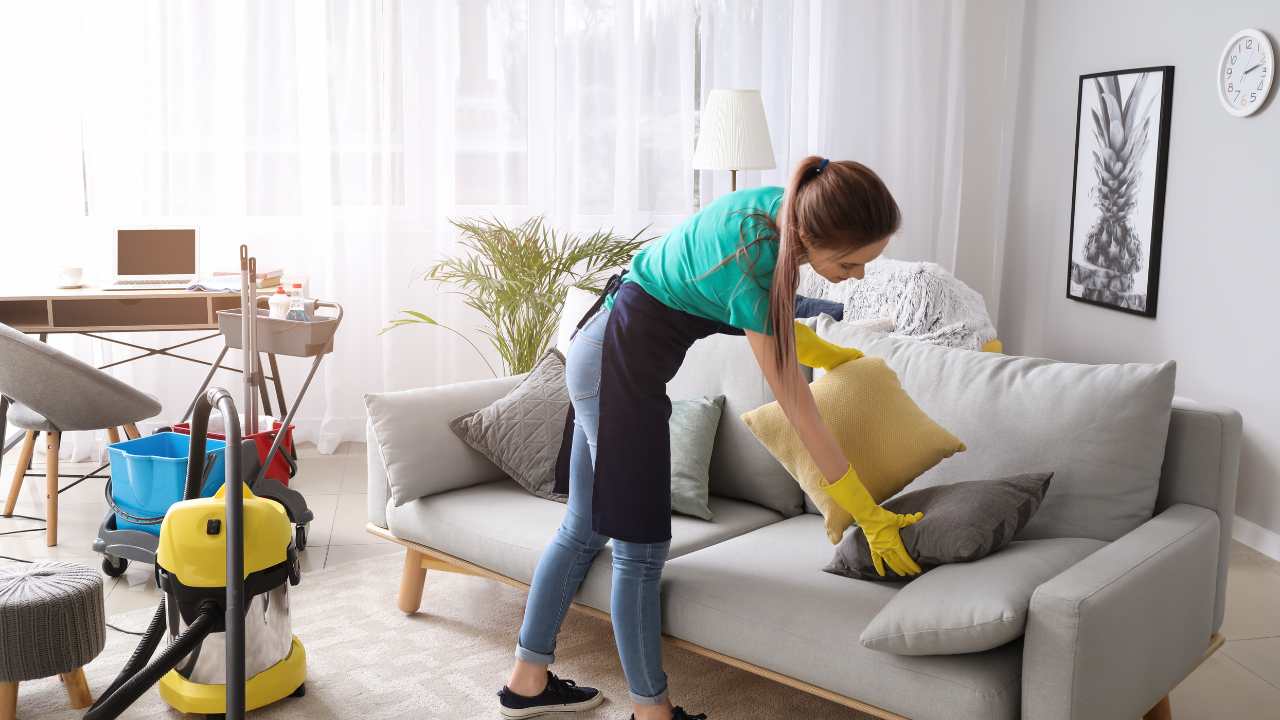
Begin by checking the room to see what needs attention first. Look for rubbish, used towels, or items left behind.
This quick scan helps cleaners decide the best order to work in. It also reduces wasted time and keeps the cleaning flow simple and organised.
2. Remove Used Items and Declutter the Space
Collect all rubbish, empty bins, and take away used linens and towels. Clean surfaces so the room is easier to clean without interruptions.
This creates a fresh starting point for the next steps. Decluttering early also stops cleaners from going back and forth later.
3. Clean the Bathroom Thoroughly First
Bathrooms take the most time, so clean them first before anything else. Wipe surfaces, scrub the shower or bath, clean the toilet, and refresh towels.
Working top to bottom keeps the process smooth. A clean bathroom sets the tone for the rest of the room.
4. Make the Bed and Refresh Linens
Replace used sheets with clean ones and make the bed neatly. Smooth out the duvet, fix the pillows, and check for any stains or marks.
A well-made bed creates an instant sense of cleanliness. It is also one of the first things guests notice when entering the room.
5. Wipe, Dust, and Disinfect All Surfaces
Clean tables, shelves, remotes, switches, and door handles using a suitable disinfectant. Pay attention to high-touch areas to maintain hygiene standards.
This step helps maintain guest safety and comfort. Regular surface cleaning also reduces the spread of germs.
6. Finish With Floors and Final Checks
Vacuum carpets or mop hard floors to complete the room. Before leaving, do a quick walk-through to check lights, curtains, toiletries, and overall presentation.
This final inspection ensures nothing has been missed. It also helps deliver a consistent standard in every room.
What Are The Common Cleaning Mistakes and How to Avoid Them?
Even well-trained housekeeping teams can lose time or miss key details if they fall into common cleaning habits that slow down the process.
1. Cleaning Without a Clear Plan

Starting without a set routine often leads to wasted steps and missed areas. A simple checklist keeps the process consistent and organised. Following the same order in every room helps improve speed and accuracy.
2. Forgetting High-Touch Areas
Light switches, remotes, and handles are easy to overlook during busy periods. These areas carry germs and should always be disinfected properly. Adding them to the daily checklist ensures nothing is missed.
3. Using the Wrong Products for Surfaces
Certain cleaners can damage furniture, taps, or tiles if used incorrectly. Reading labels and using the right product for each material protects the room’s finish. It also reduces the need for repeat cleaning.
4. Leaving the Bathroom Until Last
Bathrooms take longer to clean and often require more attention. Leaving them to the end can slow the whole process. Tackling the bathroom first sets a strong pace and makes the rest of the room quicker to finish.
Conclusion
Streamlining hotel room cleaning is all about working smarter, staying organised, and following a clear, consistent routine. By understanding why efficiency matters, using a structured step-by-step system, and avoiding common mistakes, housekeeping teams can save time while maintaining high standards. Small changes, such as planning the order of tasks, improving cleaning methods, and focusing on key areas, can make a big difference to daily operations.
If you want professional support, expert guidance, or reliable cleaning services for your hotel, contact Perfect Clean today. Our team can help you improve efficiency, increase guest satisfaction, and keep every room looking its best.